At Villa Maria School, we believe that every child can become a successful reader with the right instruction and support. While our students have diagnoses such as dyslexia, ASD, ADHD, specific learning disabilities, and receptive and expressive language disorders, we look beyond the labels to create a specific program based on their individual strengths and weaknesses.
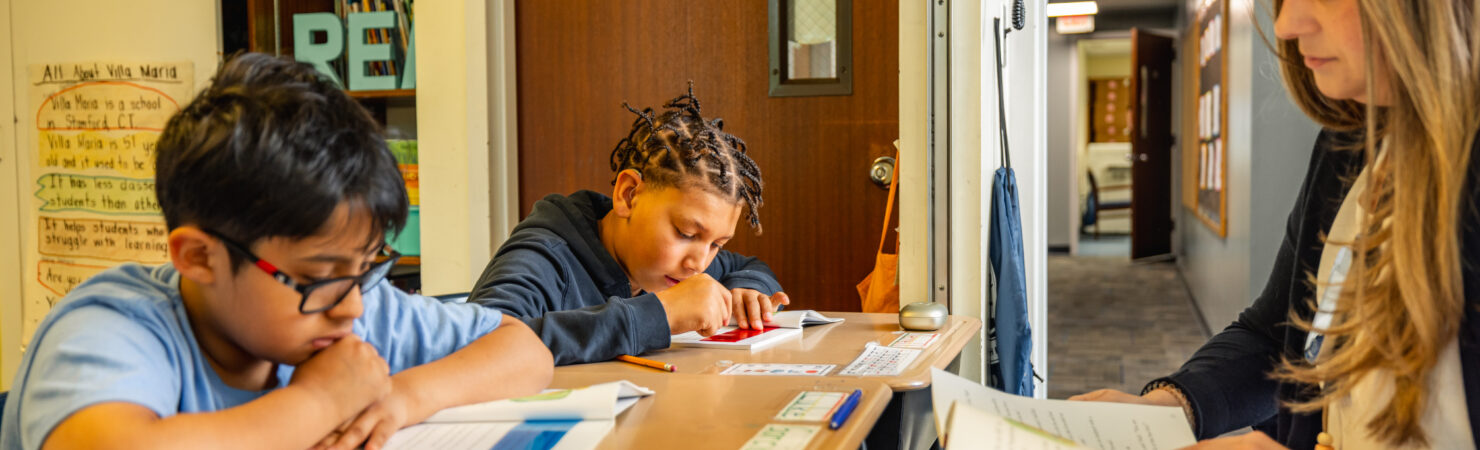
reading / dyslexia
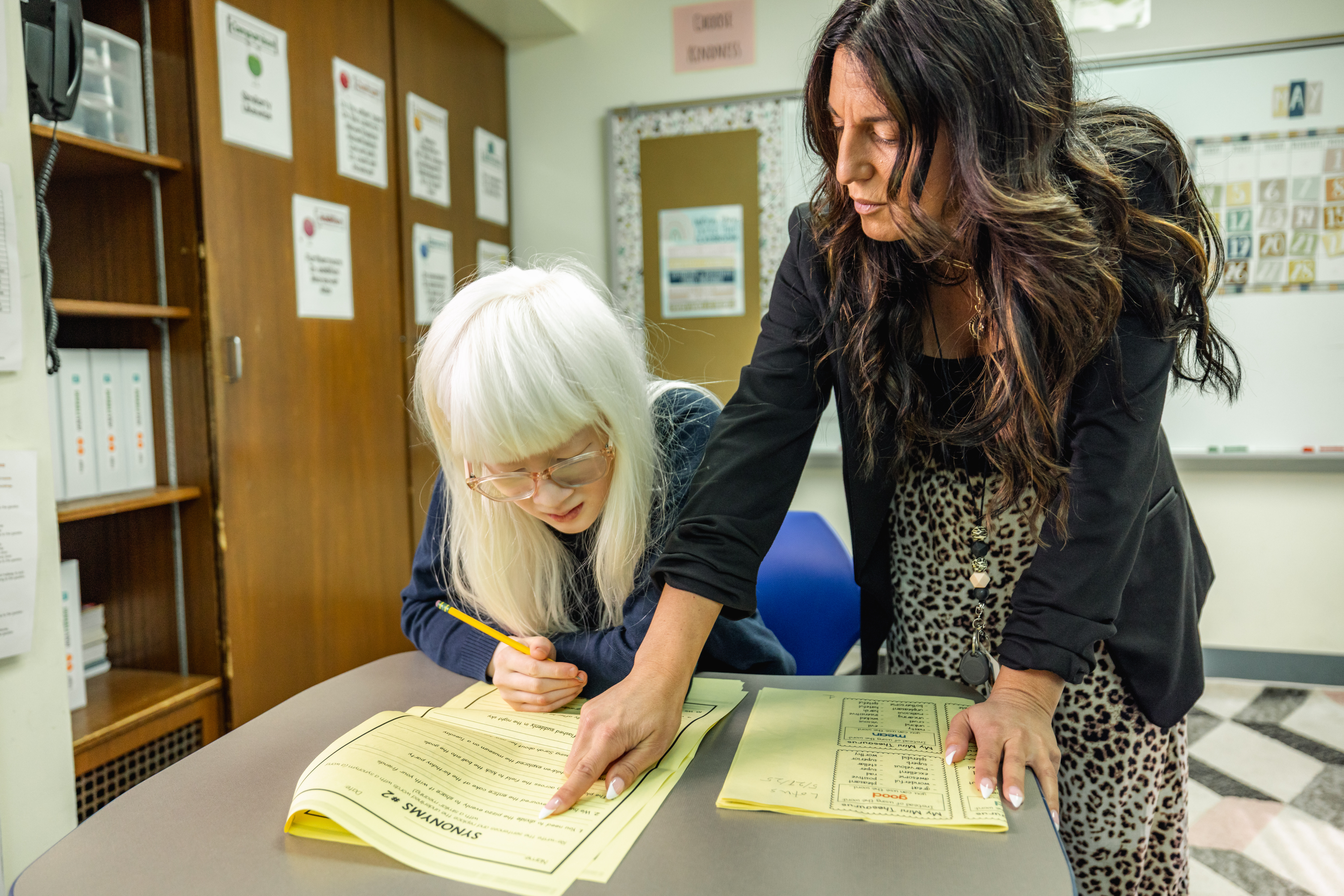
Confident, Skilled Readers
Our reading program is built on a structured literacy approach that is research-based, multi-sensory, and intentionally designed to meet the needs of diverse learners. Our reading curriculum is skills-based and focuses on the Five Pillars of Reading, the essential components proven to support strong literacy development.
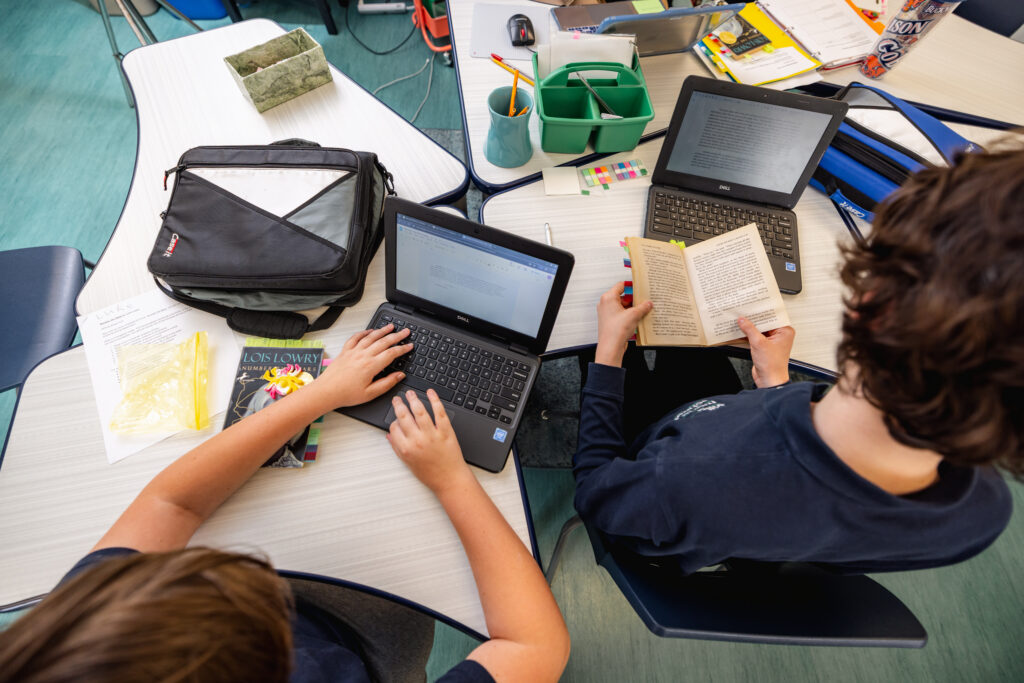
Multi-Sensory, Structured Literacy Instruction
Villa Maria’s reading instruction is grounded in P.A.F. (Preventing Academic Failure), a multi-sensory, Orton-Gillingham–based approach. As part of a structured literacy framework, instruction is explicit, systematic and sequential, helping students build strong decoding skills and confidence in reading.
Through P.A.F., students learn to:
• Clearly identify and produce speech sounds
• Connect sounds to letters and letter patterns
• Read and spell with increasing accuracy
• Build fluency and automaticity over time
This approach engages visual, auditory, and kinesthetic pathways to strengthen neural connections and support attention, recall, and deeper learning, making reading instruction more effective, engaging, and accessible for all students.
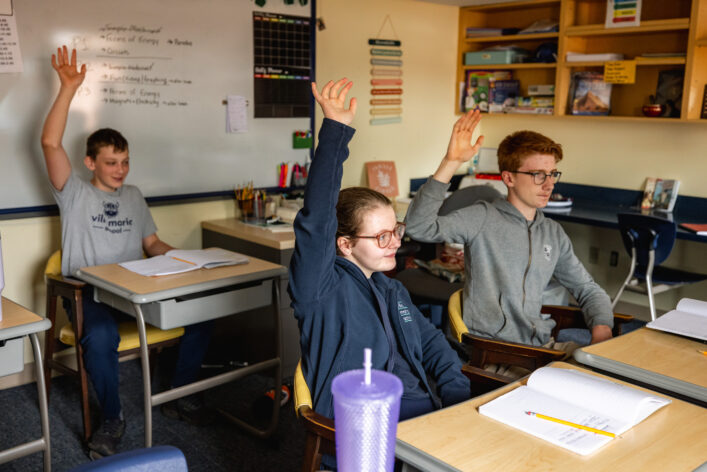
Five Pillars of Reading
Small Group Instruction for Individualized Support
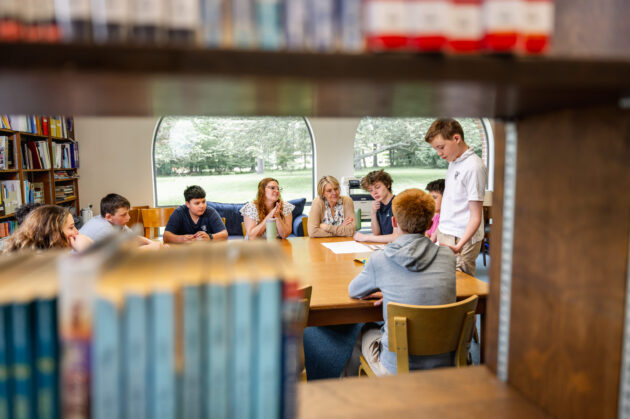
Reading instruction is delivered in small groups, allowing teachers to target instruction based on each student’s needs. This format provides opportunities for immediate feedback, guided practice, and meaningful progress at an appropriate pace.
School-Wide Consistency and Expertise
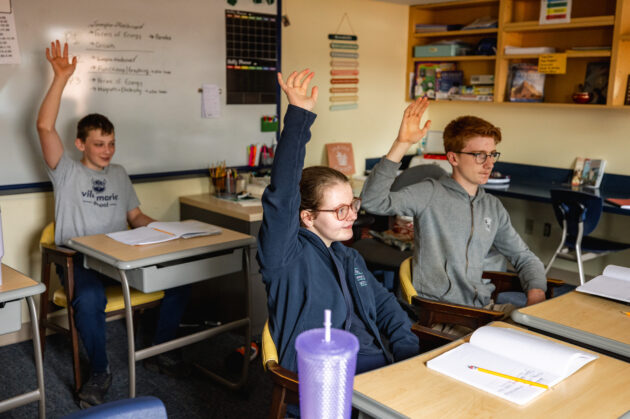
One of the greatest strengths of Villa Maria’s reading program is that all teachers are trained in P.A.F. As a result, students receive consistent, reinforced reading instruction throughout the entire school day, not just during a designated reading block. Teachers across all subject areas use the same language, strategies, and expectations, helping students generalize skills and build confidence.
Supporting Lifelong Readers
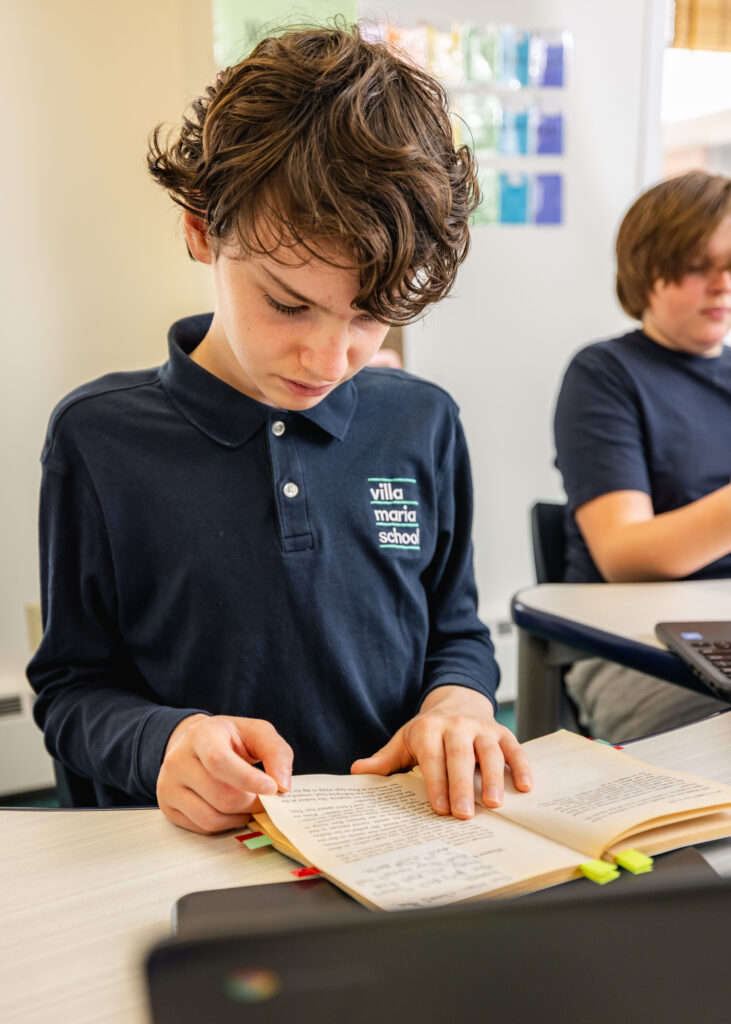
At Villa Maria School, our goal is not just to teach students how to read, but to help them:
• Gain independence as readers
• Develop confidence and self-advocacy
• Experience success and joy in literacy
Our comprehensive, structured reading program empowers students with the skills they need to thrive academically and beyond.
villa maria school is…
- supportive
- transformative
- courageous
- connected
- inclusive
- intentional
- fun
- nurturing
- rooted in kindness
- safe
- collaborative
- purposeful
- empowering
- authentic